Discover
Worlds to play, cards to import
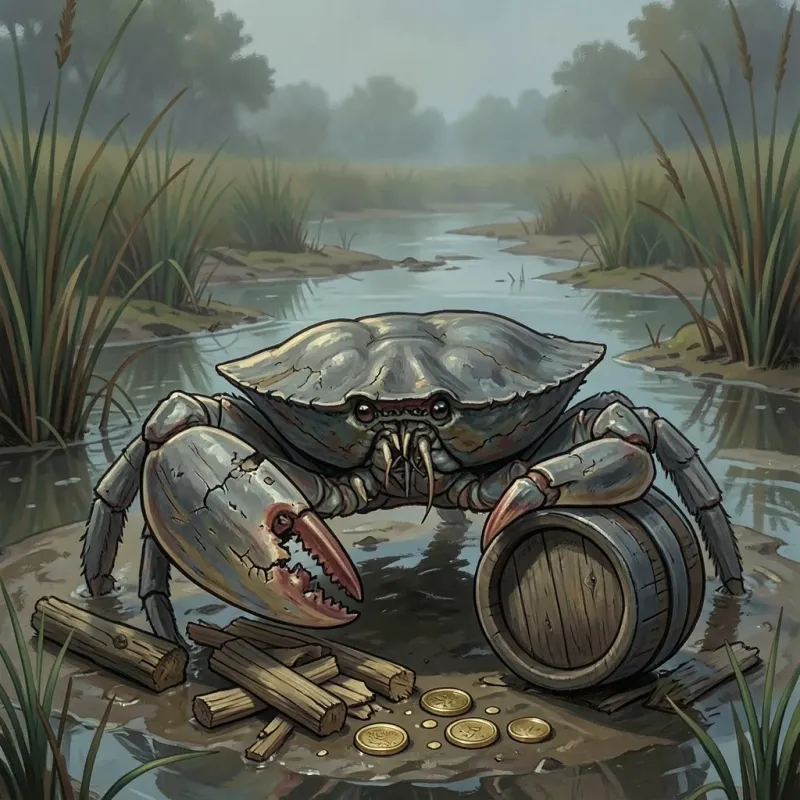
A cask-cracking fen crab of the Saltmarches with a genius for finding buried caches — the grey trade's most consistent loss and the excise's favourite joke.
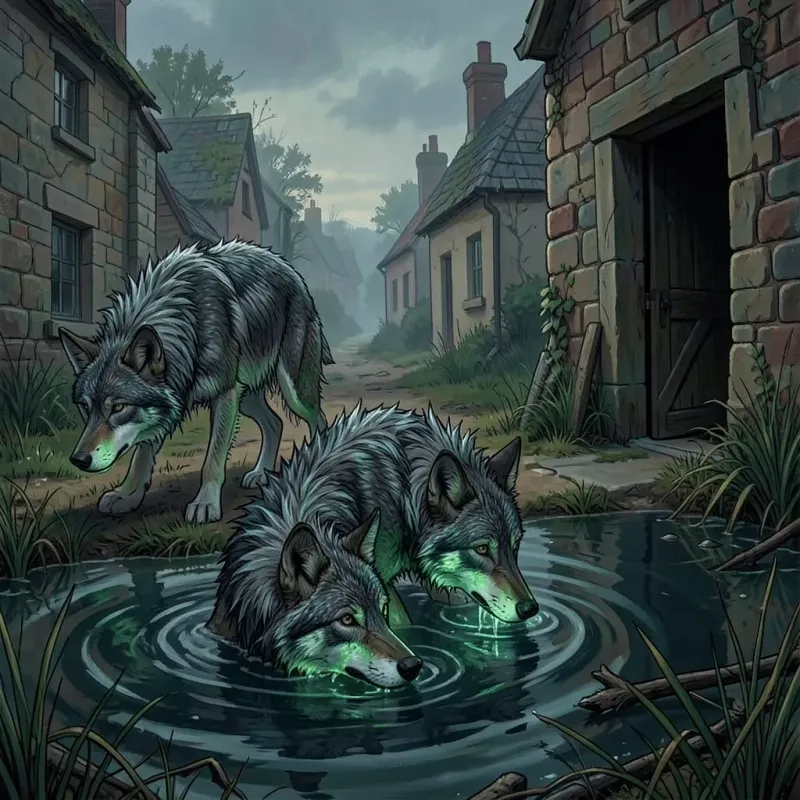
Brine-coated wolves of the Saltmarches that dive the fen pools for the war's drowned dead — and have taught their young that the dead are a crop.
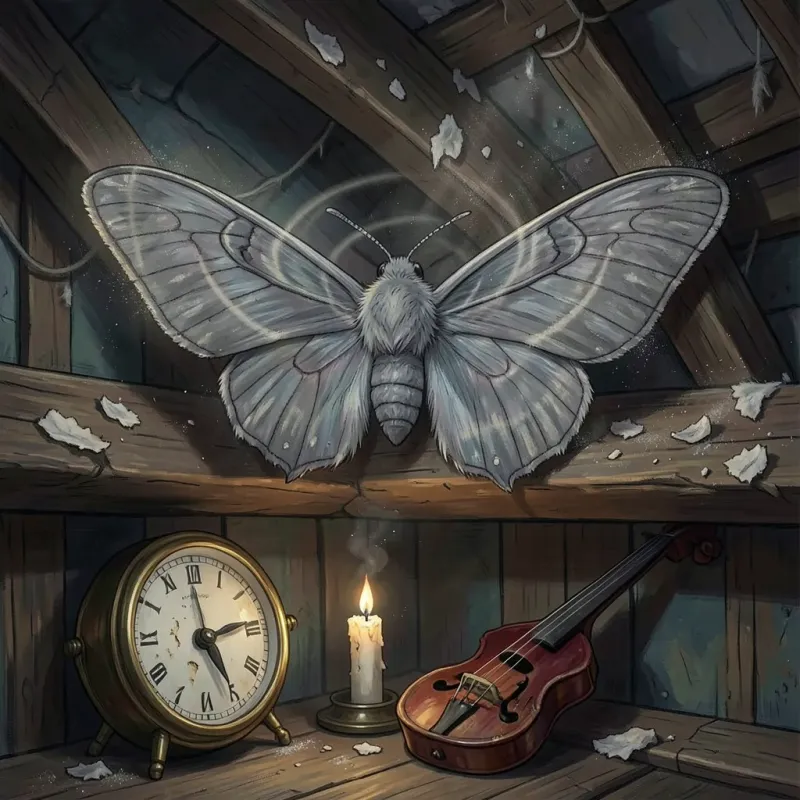
A grey moth of the Echo Halls whose wing-dust deadens sound — the only vermin in the realm that eats sung law by silencing the rooms it lives in.
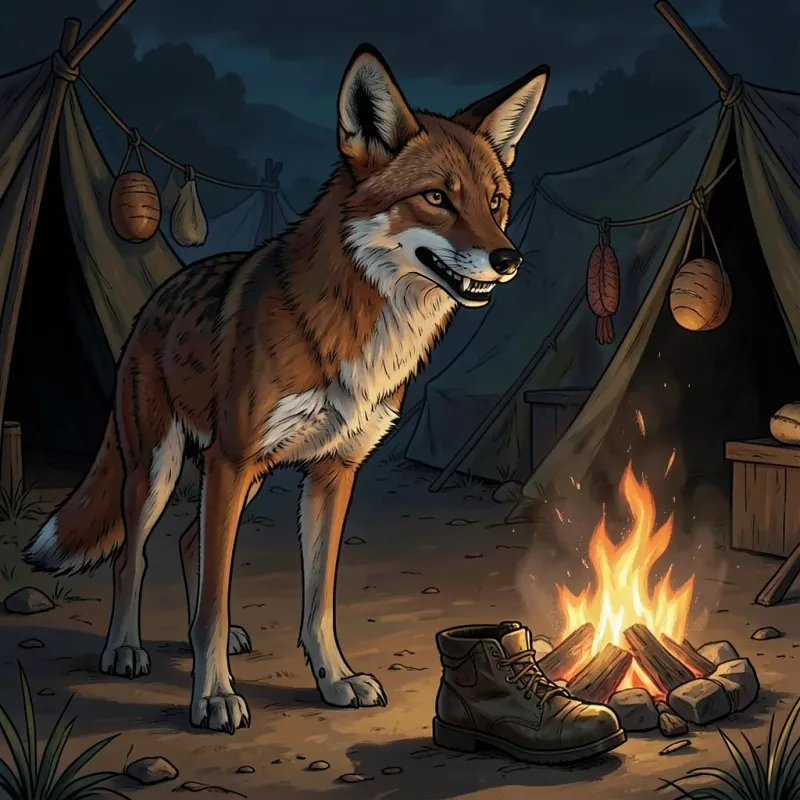
A bold fox-jackal of the city margins that has moved into the Petitioners' Camp in numbers, grinning at fires and thieving from the realm's most desperate.
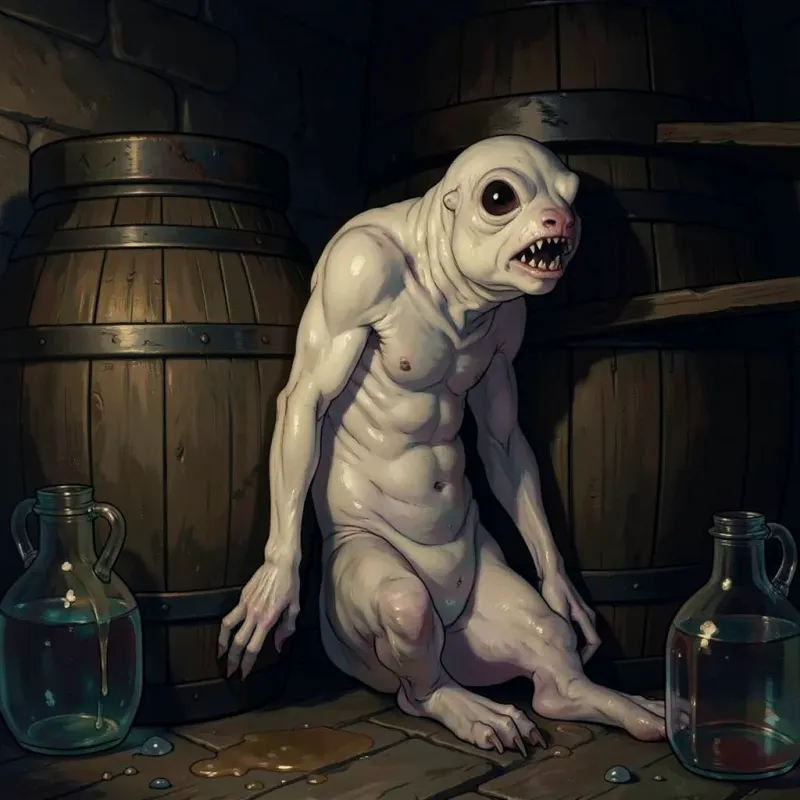
An eyeless, boneless-seeming thing of the Grey Cellars that eats preserved goods through their sealed casks — and is rumoured, correctly, to eat other things for pay.
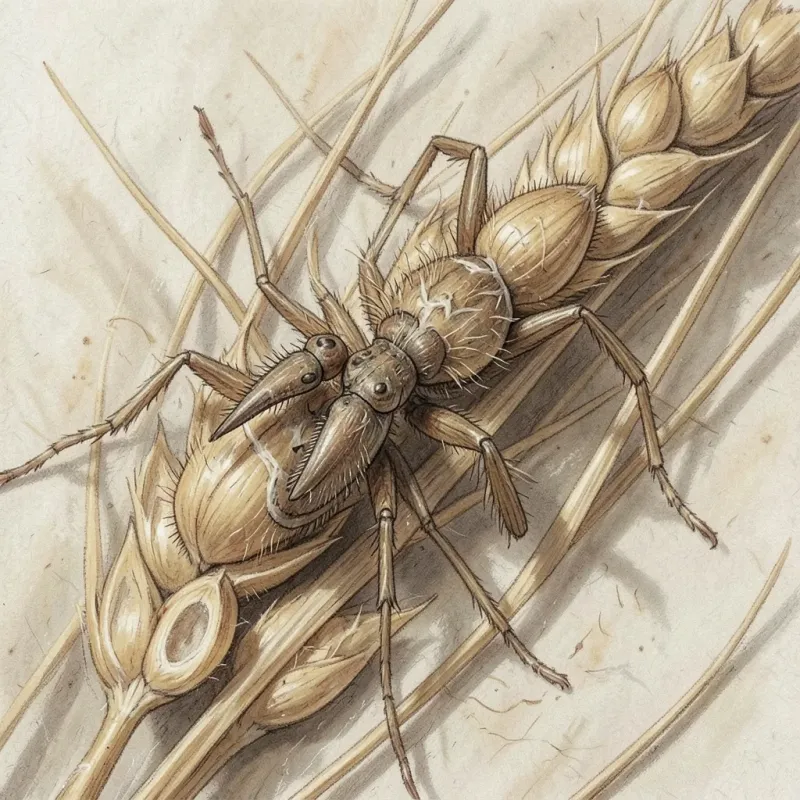
A swarm-vermin of the Granlands that wears the chaff it scatters, stripping stooked grain from inside the sheaf while the field looks whole.
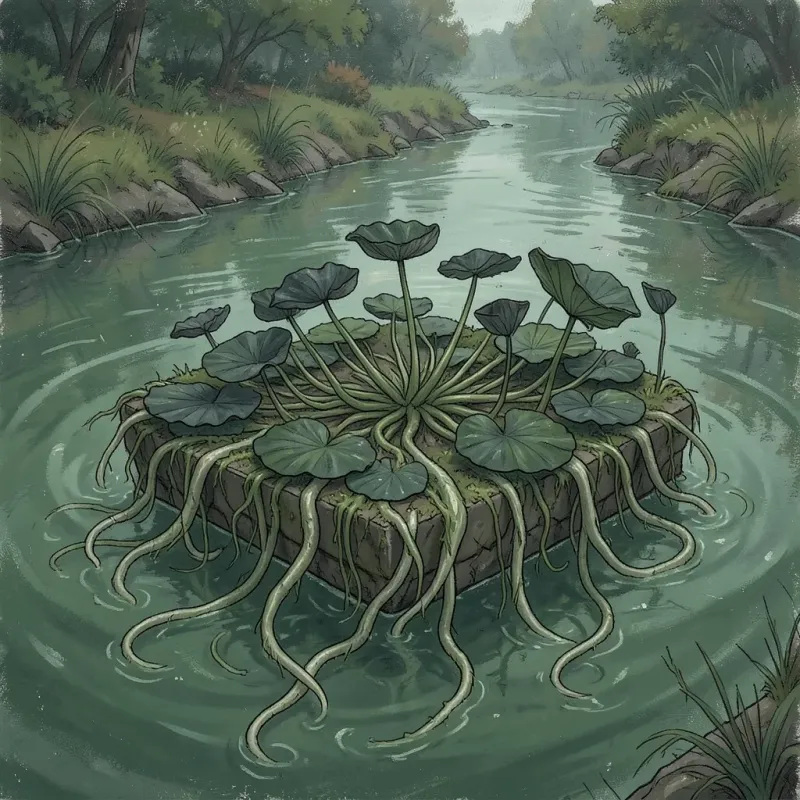
Mats of pale grasping weed in the slow reaches of the Riverspine that close on whatever struggles in them — the drowned men's hands of a thousand barge songs.
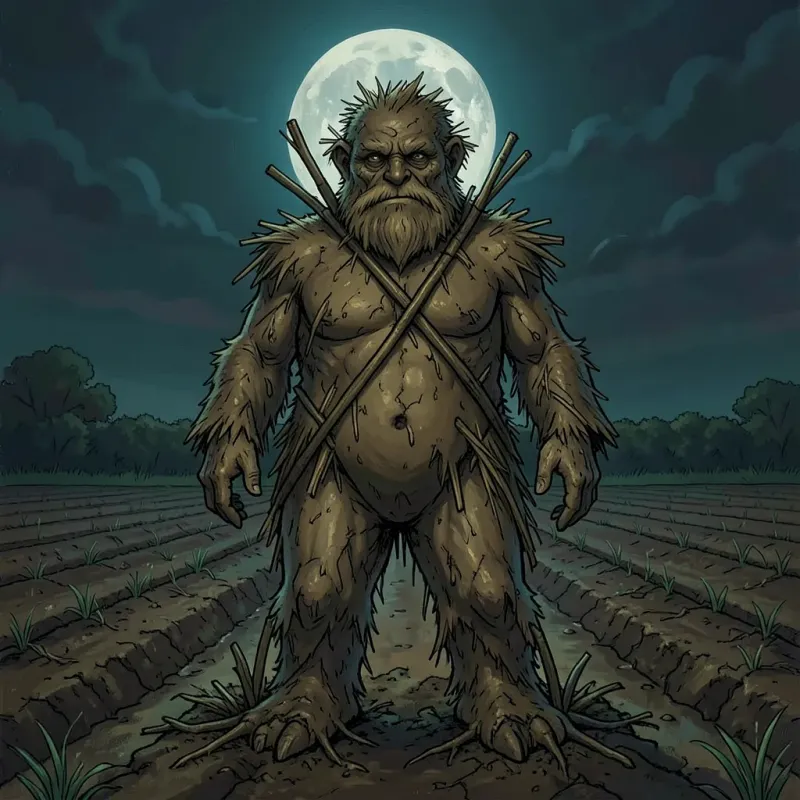
A slow mud-and-straw thing that stands in resting fields wearing a scarecrow's shape, eating carrion under the moon — fed and left alone, by long agreement.
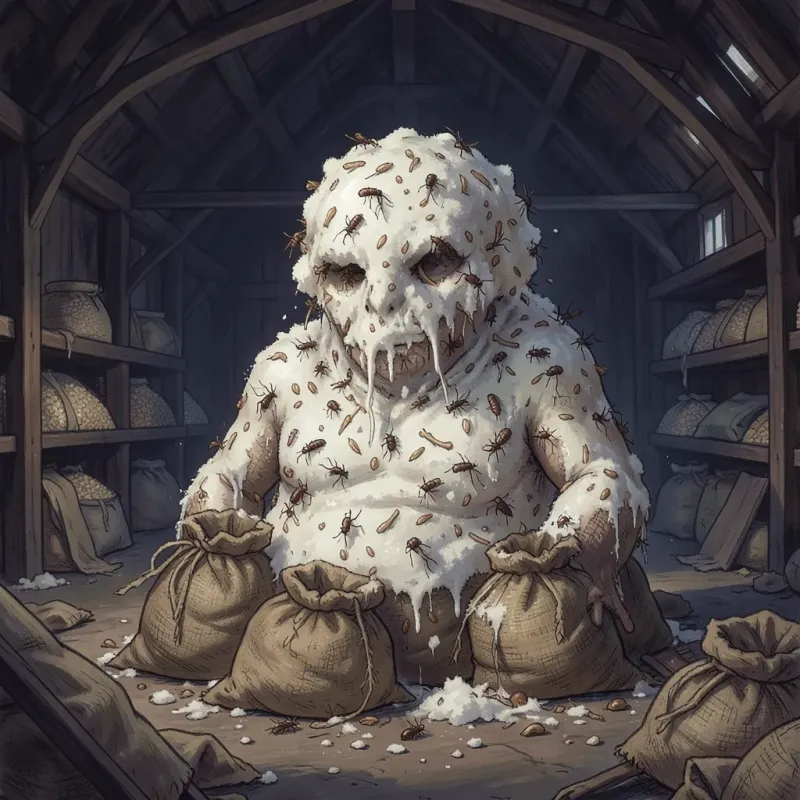
A shambling accretion of spoiled grain and sack-dust that forms in neglected warehouses — Granton's word for a ledger cheated and a floor unswept.
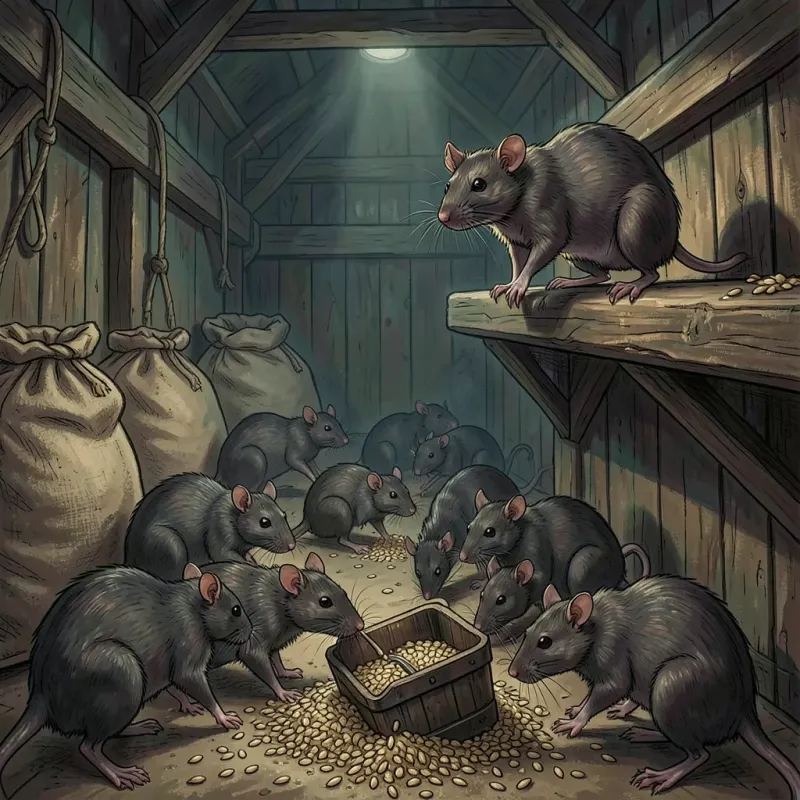
The Granlands' name for the vast, cunning rat-colonies of the great silos — held by everyone below a certain age to be ruled by a crowned rat no one has ever produced.
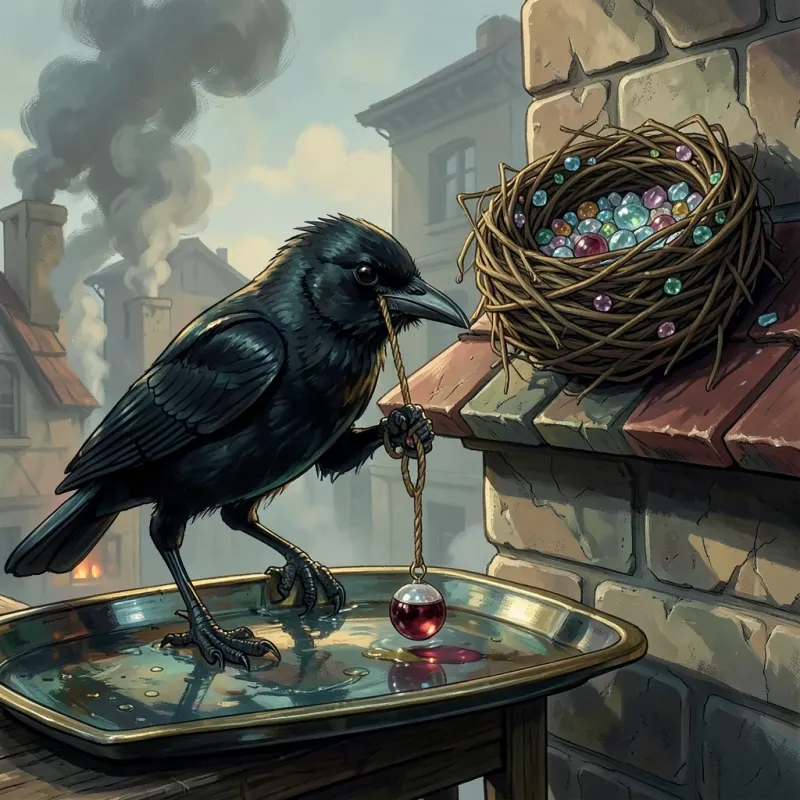
The city population of the Pyrelands beadthief — a glossy black thief-bird of the Pyre Quarter that steals Veskarn memorial beads for its nest — the most hated two ounces of feather in Coronal.
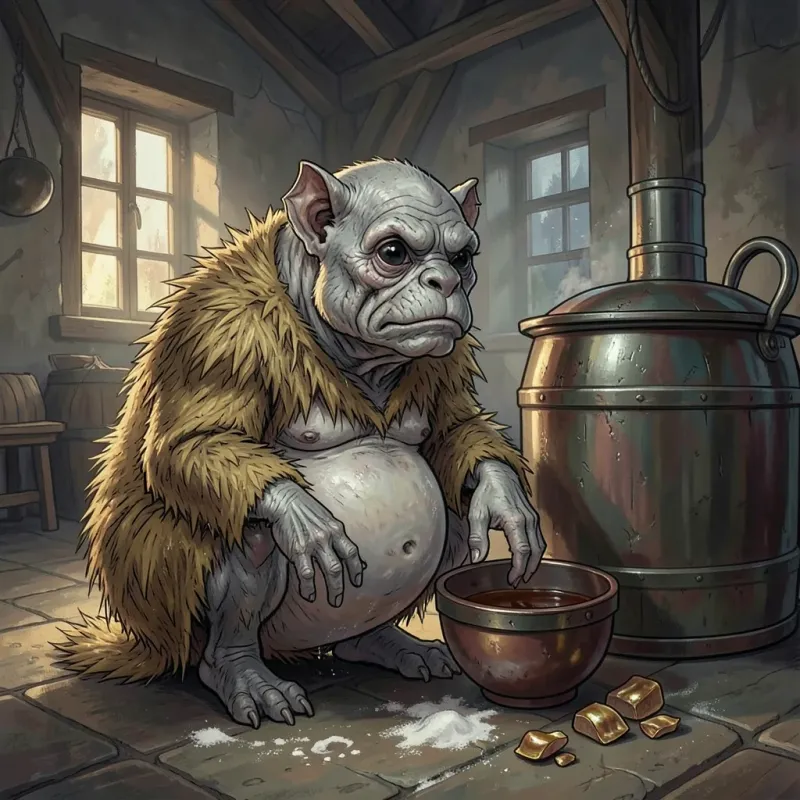
A knee-high larder-thing that nests in malthouses and mills, eating sweepings and vermin — tolerated, fed, and blamed for everything.
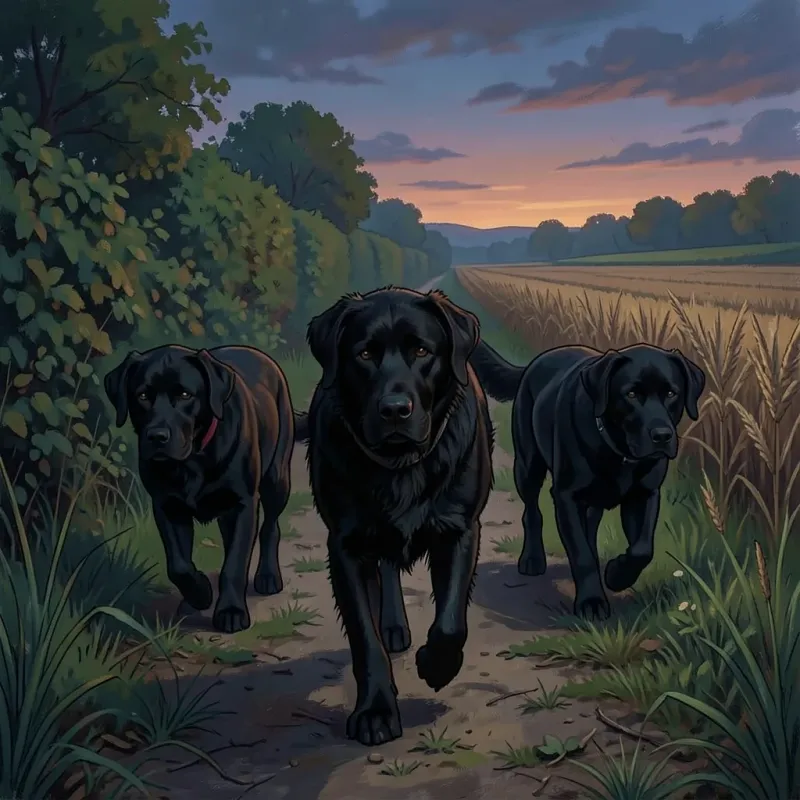
The feral black dogs of the Granlands field-margins — the oath-lapsed feral offshoot of the Perjured Hound lines, now hunting the harvest's edges in disciplined, unsettling silence.
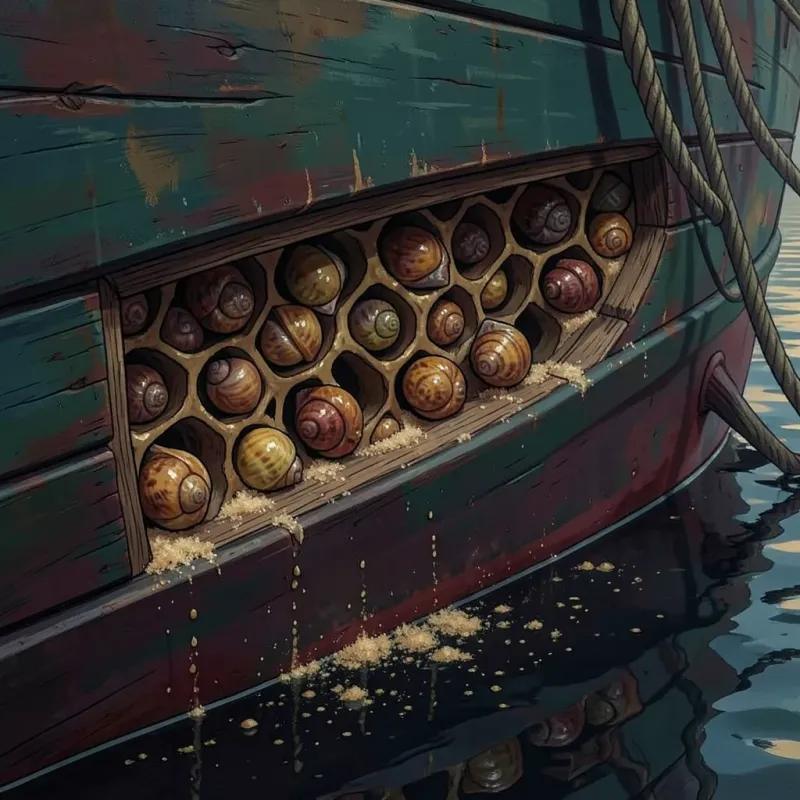
A colonial boring mollusc that riddles barge hulls at their moorings, and the Sedge clan's most honestly hated enemy on the water.
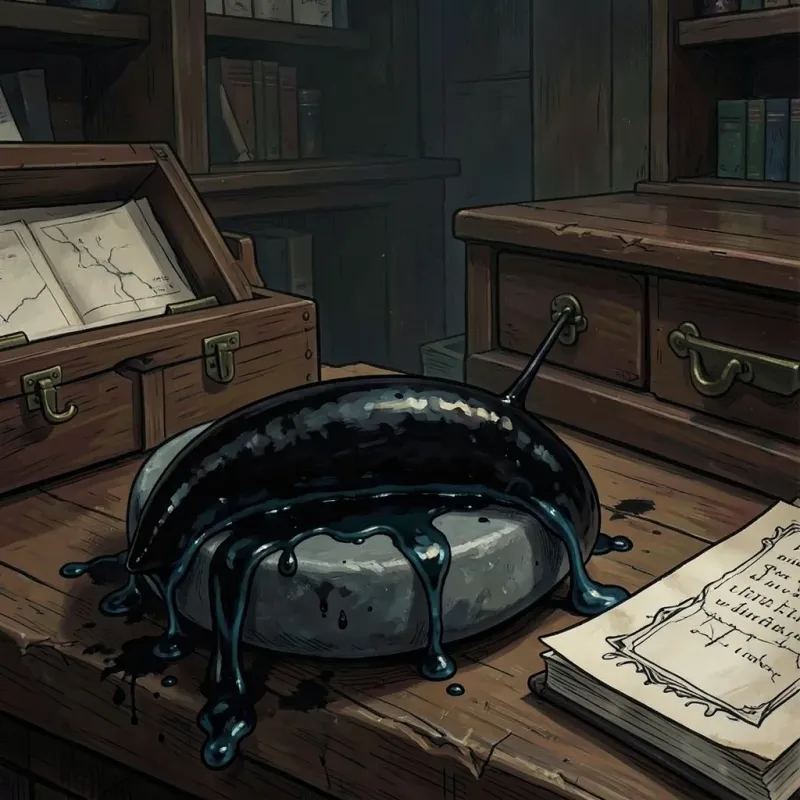
A slug of the Songspire print-shops that drinks fresh ink off type and page, leaving pale ghost-lines through the morning's sedition.
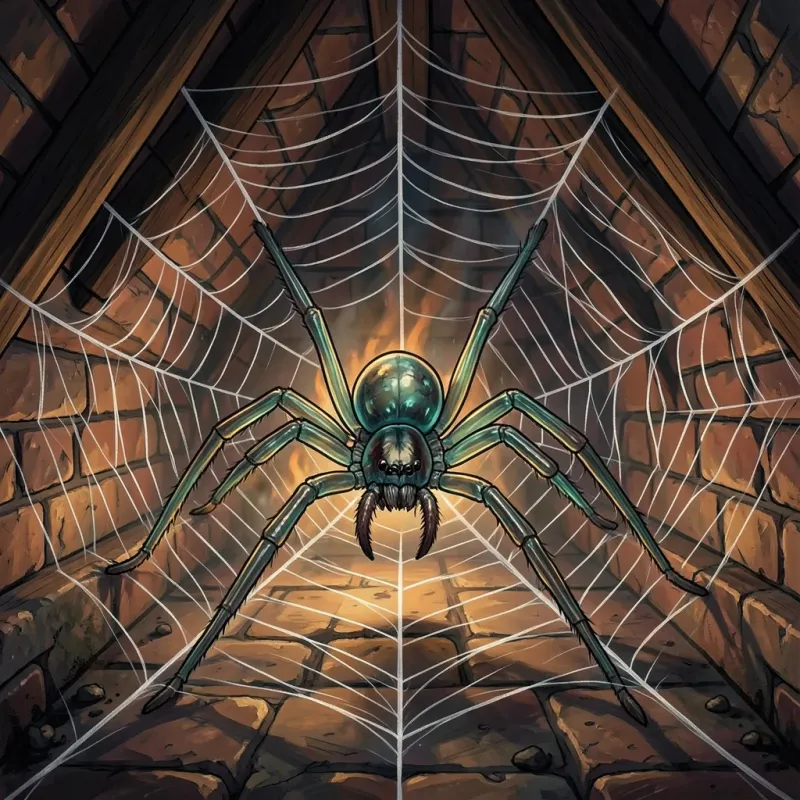
A heat-loving spider of Glasshouse Row that spins glass-fine web in the kiln-lofts — prized, cursed, and milked for the strongest thread in the city.
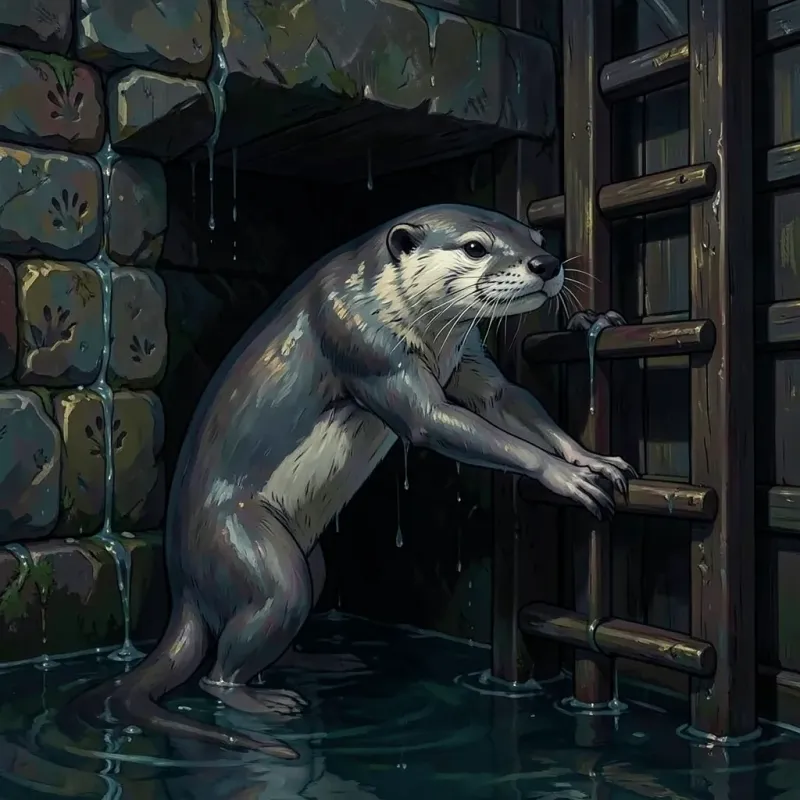
A long-limbed ambusher that dens in canal locks and weir-gates along the Riverspine, feeding on fish trapped in the chambers — and on the dogs and drunks of lock-keeping.
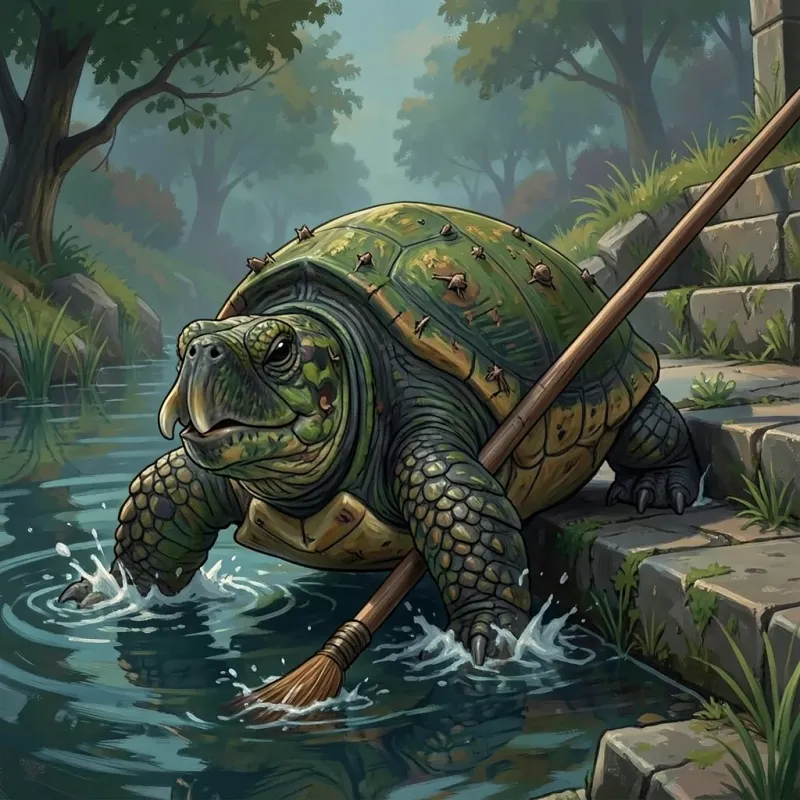
A hog-sized snapping turtle grown fat in the canal races, beloved of onlookers and feared by every dog on the Millrace Steps.
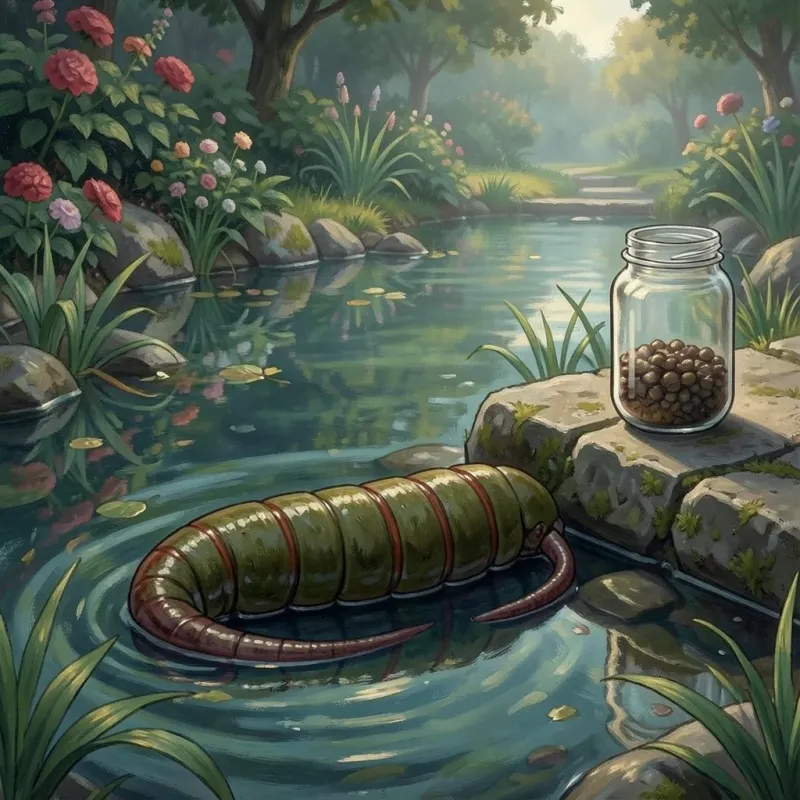
The fat, docile bloodleech bred in the Physic Gardens' ponds — Rootden's most useful monster, farmed, graded and sold like produce.
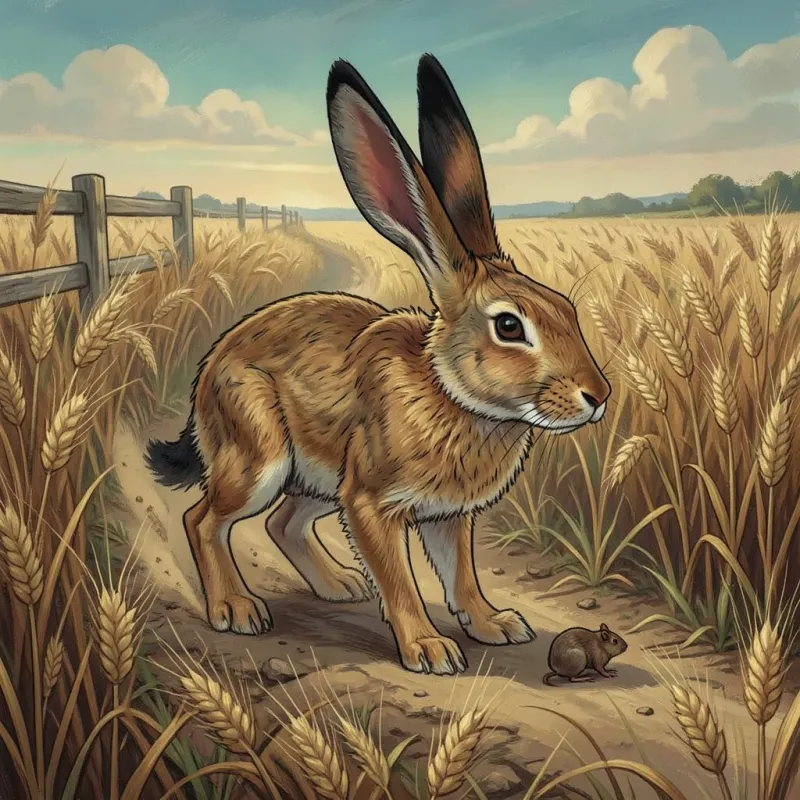
A wolf-sized hare of the wheat oceans, blamed for flattened circles and failed fields — while it quietly eats the voles that actually ruin harvests.
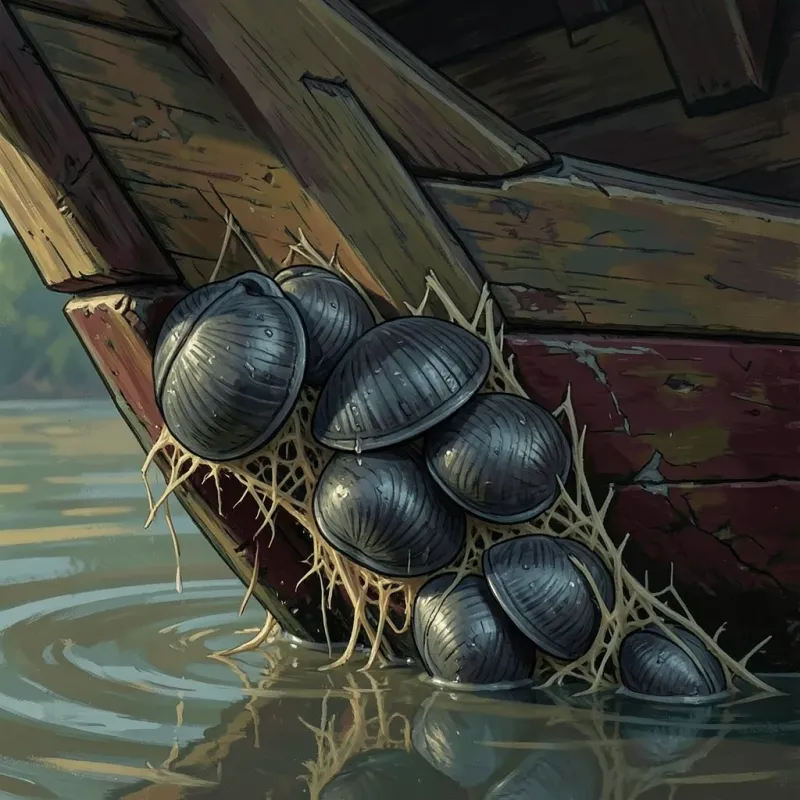
A rasping river-mollusc that fouls rudders and steering-oars in the slow reaches, grinding them to lace mid-passage — the barge trade's pettiest and most timely enemy.
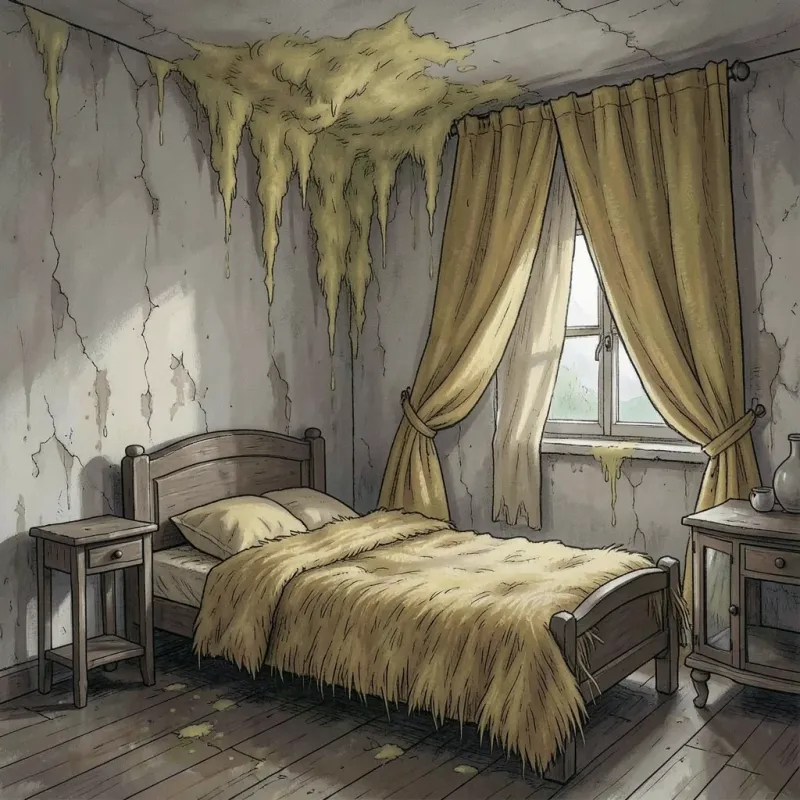
A slow yellow mould-thing of the Rootden tenements that spreads through damp walls and sleeping rooms, drinking breath and warmth — poverty's own vermin.
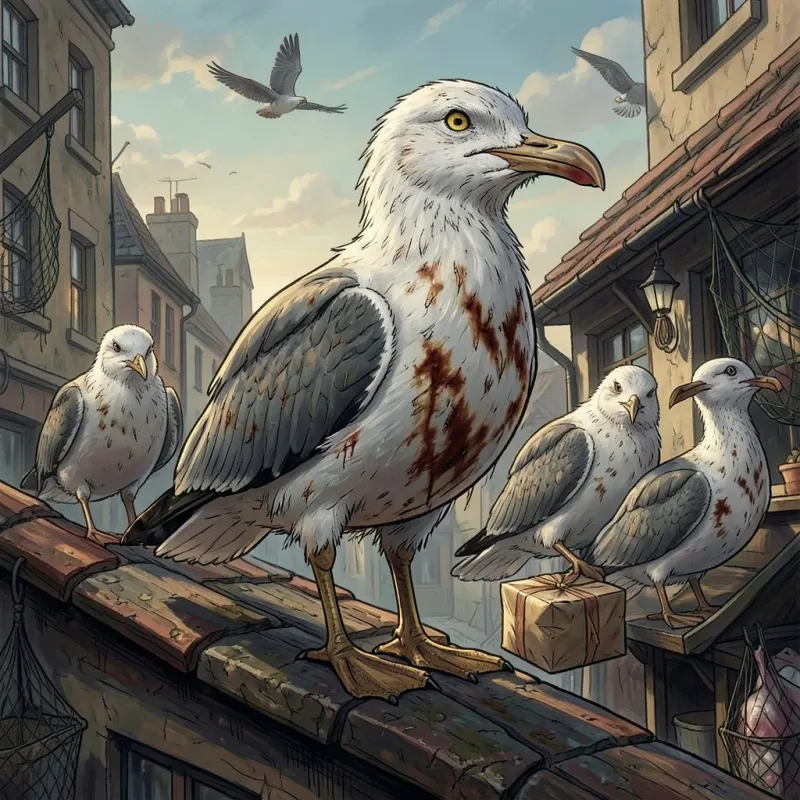
The huge, thieving, gang-flying gulls of the Silverside Shambles, wise to knives, bells and butchers, and utterly unafraid of all three.
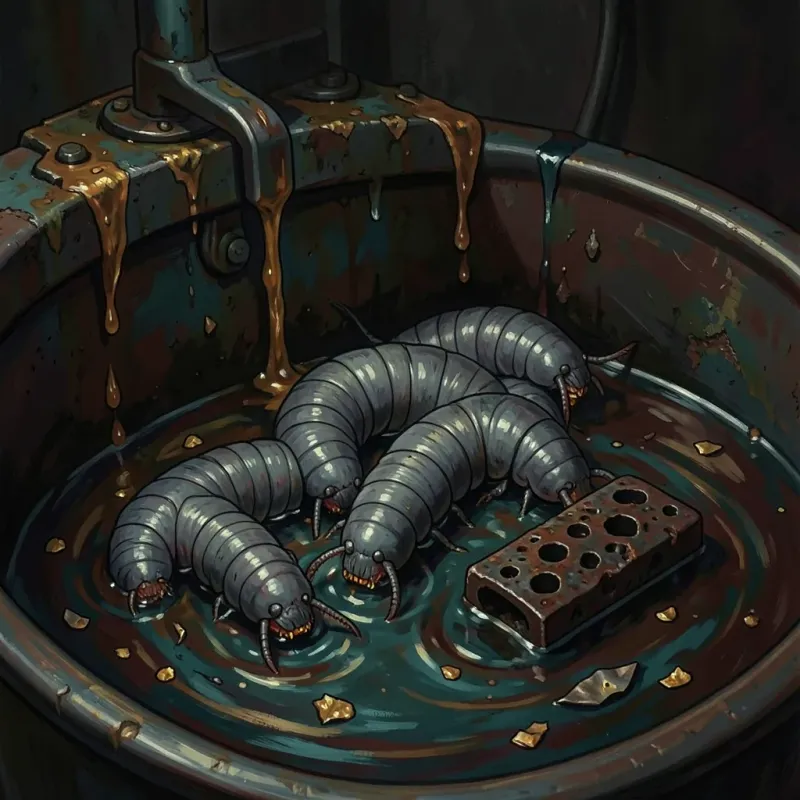
Finger-thick larvae that breed in warm quench-water and chew iron scale — the reason no smith in Ferruhm leaves a blade in the trough overnight.